The Future of SEO Automation Trends in 2026
Brands are progressively turning to marketing automation to automate manual jobs and streamline recurring processes, thus conserving time and lowering costs. Not remarkably, automation is no longer just a trend but a must-have for marketers and brand names considering development. The evidence is in the numbers, which is why we assembled future trends in marketing automation from around the globe to drive home the importance of automating your marketing processes.
Before we dig into particular marketing automation patterns, let's analyze what the data reveals about marketing automation in 2026. These numbers paint a clear image: marketing automation works, it's growing quick, and groups that master it are seeing massive benefits. Now let's break down the particular trends driving this development throughout five essential areas.
But knowing which specific patterns to buy makes the difference in between little and huge enhancements. We have actually organized the leading 14 future patterns in marketing automation into five classifications based upon their effect on your marketing stack. Some will feel immediately actionable. Others are emerging technologies you need to begin try out now before they end up being table stakes.
The shift occurred quick, and it's not slowing down. Predictive analytics isn't brand-new, however the method groups use it in 2026 is basically different. Conventional marketing responds to client habits while predictive analytics anticipates it. These AI algorithms examine historic information, searching patterns, purchase history, and real-time signals to predict which customers are most likely to transform, churn, or respond to particular offers.
Platforms like Google Advertisements and Meta already utilize predictive AI to automatically enhance quotes in real-time. The AI scans your target audience, identifies consumers more than likely to complete your desired action, and changes quotes accordingly. But predictive analytics goes much deeper than advertisement optimization. As part of the most recent marketing automation trends, marketing groups now utilize AI to anticipate which material will resonate with particular sections, figure out the finest time to send out emails and other messages for maximum engagement, and determine which channels are most reliable for each customer.
Next-Generation SEO Software to Watch
Feed your AI models with clean, thorough information from all consumer touchpoints., for example, uses predictive engines to immediately determine optimal send times, channels, and content for each consumer., as part of the future trends in marketing automation.
The genuine power isn't in changing authors, but in enabling personalization at a scale that was formerly difficult. Here's what that appears like in practice: rather of writing e-mail subject lines to improve open rates, you compose a prompt. The AI generates multiple variations enhanced for different customer sectors, testing factors like tone, urgency, customization depth, and worth proposition.
MoEngage's Intelligent Course Optimizer is a valuable tool for running these tests. Away from text, 41% of imaginative groups use AI image generation tools like Midjourney. Marketing groups produce product visuals, social media graphics, and advertisement creatives in minutes instead of days. The AI maintains brand guidelines while producing variations customized to different audiences and channels.
Try to find options that can learn your brand name voice and adjust over time. When you discover one, begin with high-volume, repetitive content, such as email subject lines, social media posts, and advertisement variations. But don't let the AI automation do all the work. Rather, include human beings in the loop for oversight, direction, and quality control.
Track which AI-generated content carries out finest and feed that data back into your prompts to improve outcomes with time. According to MoEngage's State of Cross-Channel Marketing 2025 report,, while 53.4% usage it for establishing customer behavior-based emails. The secret is to utilize AI to boost imagination and scale, instead of replace tactical thinking.
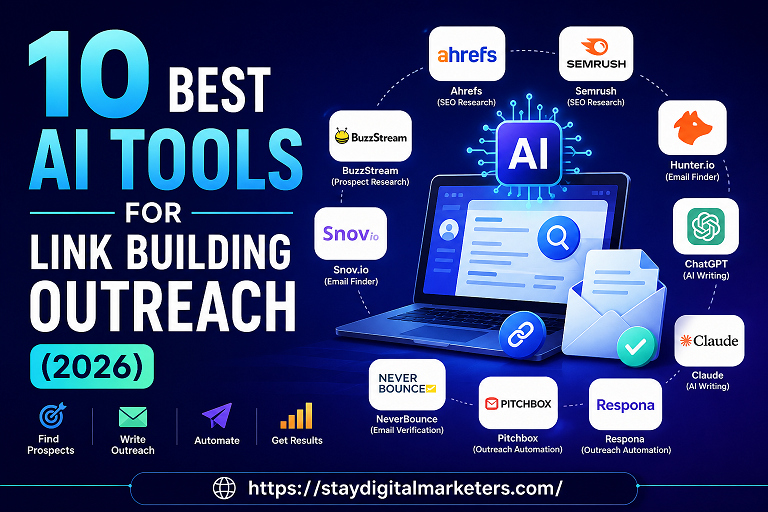
Scaling Your Search Authority With Smart Link Building
According to McKinsey research study, AI-driven contact-center and customer-service automation is amongst the most common use cases across organization functions and one of the brand-new trends in marketing automation. What makes modern AI chatbots effective for marketing automation is their ability to trigger workflows based on conversation context. If a customer asks about a particular item feature, the chatbot can instantly enlist them in a nurture series tailored to that usage case.