Enhancing SEO Management Through Marketing Automation
Train your AI chatbot on your specific item understanding, typical objections, and brand name voice. Generic chatbots feel robotic. Trained ones feel valuable. Monitor conversations regularly to identify gaps in the bot's understanding and improve actions in time. Generic marketing is dead, for real. Clients anticipate brand names to understand them, remember their preferences, and deliver client experiences that feel separately crafted.
Gone are the days of relying solely on demographics and previous purchases to personalize your marketing. Hyper-personalization uses real-time habits to dynamically adapt experiences. Somebody browsing winter season coats on your website right away gets coat suggestions in their app push notices. This is larger than it sounds. In 2025, 74% of consumers anticipate more brand names to offer individualized experiences, and we predict that this expectation will continue into 2026.
The technology behind this combines real-time data collection, AI-powered decisioning, and cross-channel orchestration. As clients communicate with your brand name, the system tracks their habits, forecasts intent, and quickly personalizes the next touchpoint. MoEngage's 2025 Email Benchmarks Report reveals the effect of this technique. when consumers received personalized emails based on their habits.
Leveraging Advanced Automation for Link Building
You can't individualize in real-time if your web data does not talk to your email system. Send out a reminder with the specific products they viewed.
Develop choice trees that adjust your next message based upon clients' responses to the current one. Rather of by hand constructing segments based upon repaired requirements, AI constantly evaluates client behavior, identifies patterns, and instantly develops micro-segments that update in real-time. This matters since traditional division may organize consumers as 'purchased in the last thirty days'.
That level of granularity drives drastically better outcomes. The shift to AI-driven division is reflected in improved efficiency. According to Adobe's research, 65% of senior executives view AI and predictive analytics as the top growth lever for 2025 and beyond. Teams utilizing AI for segmentation can engage consumers with greater precision than was possible with manual methods.
It identifies which clients are at threat of churning, who's prepared to upgrade, and which sectors respond best to particular messaging. Start by using AI to enhance your existing segments.
Enhancing SEO Management Via Marketing Automation
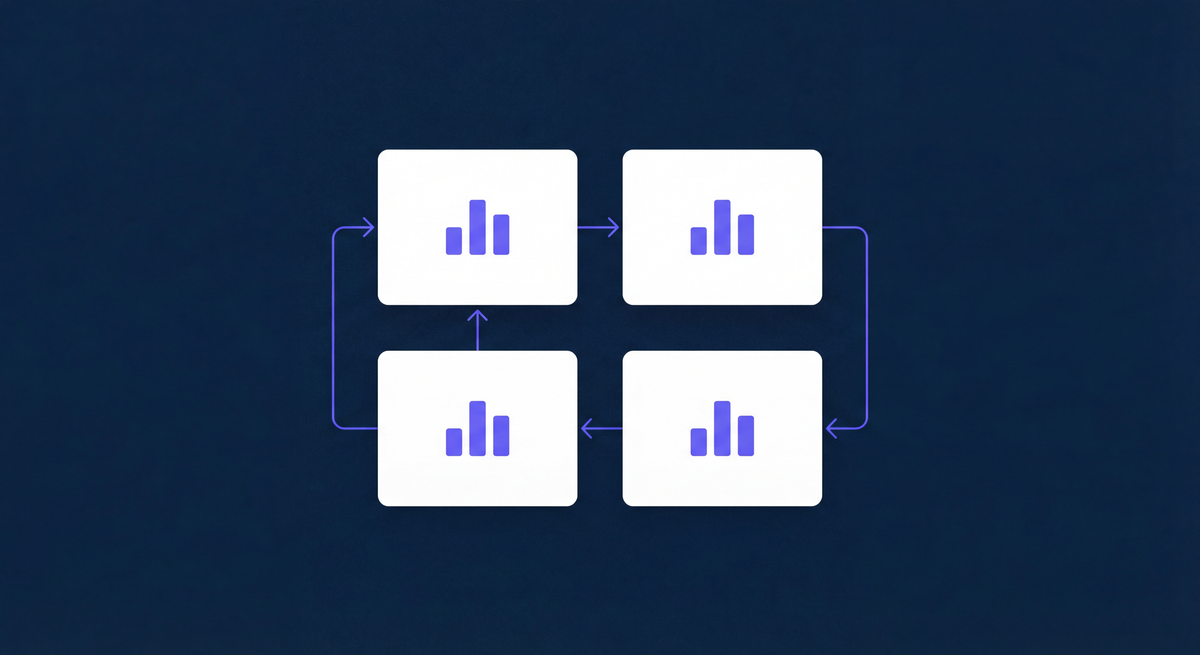
Test AI-recommended sections against your manual ones. Compare engagement, conversion, and client lifetime value (LTV) across both approaches. Let the data guide your division technique, not simply instinct. Client journey orchestration links every customer touchpoint into a cohesive, customized experience. Instead of different e-mail campaigns, push notices, and SMS blasts, you create a single unified journey that adjusts as each consumer progresses through it.
SEO NEOWhat does sophisticated journey orchestration look like? Here's an example. A consumer browses your site for products. They abandon their cart. Three hours later on, they get an email tip. They open it but do not click. The next morning, they receive a push notice with a little discount. They click through, but still do not purchase.
Each touchpoint builds on the previous one, adjusted in real-time based on their actions. According to research study on omnichannel marketing, utilizing three or more channels in marketing projects can raise sales by over 14.6% compared to single-channel campaigns. The mix of several touchpoints strengthens brand value and reduces the decision-making cycle.
Streamlining SEO Management Through AI
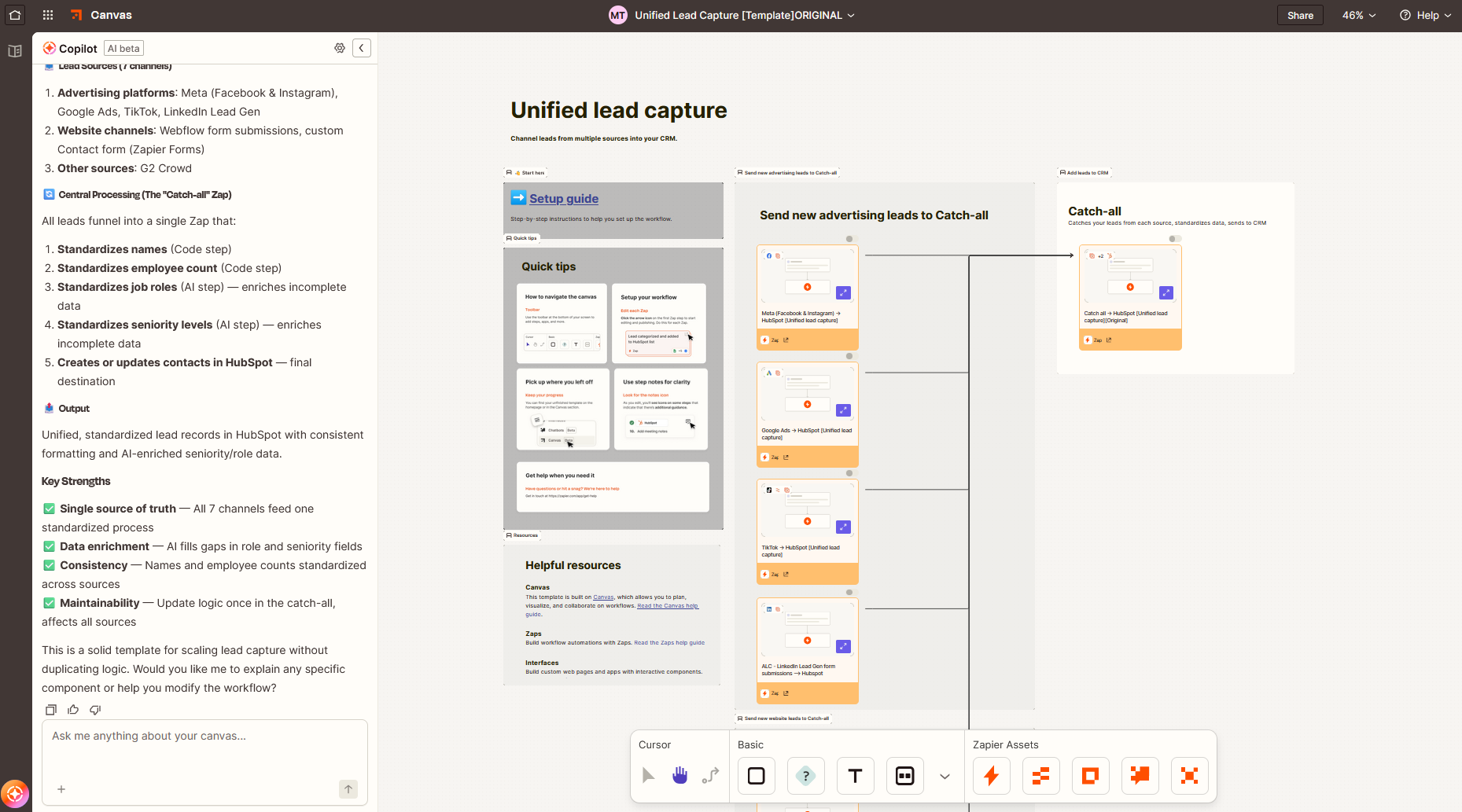
Online marketers can map complex, multi-step journeys across 10+ channels, established AI-powered course optimization, and let the system instantly path customers to the highest-converting paths. This approach helped Poshmark accomplish over 30% higher conversions and enhanced Cocomelody's repurchase rate by 27%. Map your existing client journeys on paper first. Determine every touchpoint from awareness to post-purchase.
Construct basic, automatic journeys initially, such as welcome series or cart abandonment streams. When those carry out well, layer in complexity. Include branching reasoning based on customer habits. Test different paths to see which series drive the best results. Usage AI-powered course optimization if your platform supports it. MoEngage's Smart Path Optimizer, for example, immediately A/B tests 5 various journey branches and paths clients to the best-performing paths without manual intervention.
Omnichannel marketing automation ensures those experiences feel seamless, despite where customers interact with your brand. Omnichannel marketing fails when your data lives in silos. A client subscribes to your email list, but your app doesn't know. They make an in-store purchase, but your site still treats them as a novice visitor.